
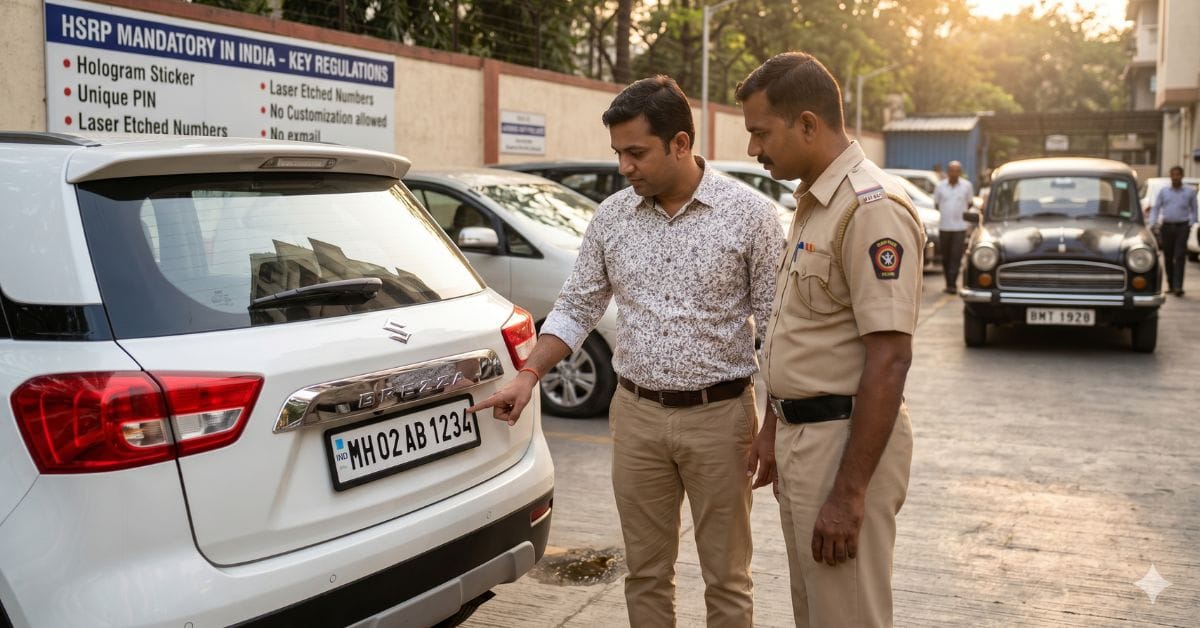
Vehicle number plate history in 2026 looks simple, but they play a very important role in road safety, police checks, vehicle registration, insurance, challans, and used vehicle buying. In 2026, many people in India are searching for number plate history because they want to understand how this system started and why new rules like HSRP, VAHAN records, and BH Series number plates matter today.
In this article, learn about the history of Number Plate History 2026, how the system works in India, what HSRP is, how to check vehicle details online, and why number plate rules are becoming increasingly important for vehicle owners in India.
What happened to the number plate history in 2026?
The keyword “Number Plate History 2026” is trending because people are showing interest in two things. First, they want to know when number plates started and why every vehicle needs one. Second, Indian vehicle owners want to understand updated number plate rules, HSRP fitment, online vehicle detail checks, and the importance of clean registration records.
In India, number plates are not just metal plates with a registration number anymore. They are related to the official RTO records, insurance info, challan systems, ownership transfer, and vehicle security. For this reason, the history of number plates has been turned into a handy subject for both general knowledge readers and practical vehicle owners.
Why Were Number Plates Started?
Number plates were started to identify vehicles on public roads. When motor vehicles became common, governments needed a simple way to track who owned a vehicle and which vehicle was involved in an accident, traffic violation, theft, or legal case.
Before number plates, it was hard for authorities to ID a vehicle after an incident. Every vehicle had a unique identity given by its registration plate. This helped police, transport departments, and courts to link a vehicle with its registered owner.
The basic idea was simple: every vehicle should have a visible number, and that number should be linked to official records.
Number Plate History: How the System Started
The early vehicle registration system started in Europe. France is widely reported as one of the first countries to introduce a formal vehicle number plate system in 1893. After that, many other countries started adopting similar systems as the number of motor vehicles increased.
During the British rule, the vehicle registration system was introduced in India. In the early 1900s, each province had its own vehicle registration rules. Later, the Indian Motor Vehicles Act, 1914, provided for a broader national framework. This provided a more formal structure for registration of vehicles all over India.
Over time, India’s number plate system became more organized. Today, the number plate generally shows the state or union territory code, RTO code, series letters, and the unique vehicle number.
How Number Plate History 2026 Works in India
In India, a vehicle number plate is linked to the vehicle’s registration certificate, commonly called RC. This record is maintained by the Regional Transport Office, or RTO. The registration number helps identify where the vehicle was registered and connects the vehicle to important details.
A normal Indian registration number usually includes a state code, RTO code, letter series, and a four-digit number. For example, in a number like MP04AB1234, “MP” indicates Madhya Pradesh, “04” indicates the RTO area, and the remaining letters and numbers form the vehicle’s unique registration identity.
This system helps traffic police, insurance companies, buyers, sellers, and transport authorities verify vehicle information.
What Is HSRP and Why Is It Important in 2026?
HSRP means High Security Registration Plate. It is designed to make number plates more secure and harder to tamper with. HSRP is important because fake, fancy, damaged, or changed number plates can create problems in traffic enforcement and vehicle tracking.
For new vehicles manufactured on or after April 1, 2019, HSRP is supplied through vehicle manufacturers and dealers. Older vehicles in many states also need to get HSRP fitted through authorized channels. The exact deadline and enforcement process can vary by state, so vehicle owners should check their state transport department’s latest update.
HSRP helps improve vehicle traceability. It also supports better tracking in cases of theft, fake registration, and traffic violations.
Why HSRP Rules Matter for Old Vehicles
Many older vehicles still run with normal metal plates, fancy plates, broken plates, or plates that do not follow the standard format. This can create legal and safety issues.
In many states, old vehicles registered before April 2019 are being asked to shift to HSRP. Some states have extended deadlines, while others have warned of stricter checks. This means vehicle owners should not depend only on social media claims. They should verify the latest rule from the official state transport department or authorized HSRP portal.
If a vehicle does not have a valid number plate or uses a fake plate, the owner may face challans, RTO service restrictions, or legal action depending on the case.
How to Check Vehicle Details by Number Plate in India
Indian vehicle owners can check basic vehicle information using official platforms such as VAHAN and mParivahan. These platforms are useful when someone is buying a second-hand car or bike, checking RC details, verifying insurance validity, or confirming whether vehicle records match the seller’s claims.
A number plate check may show basic details like vehicle class, fuel type, registration authority, registration date, insurance status, and fitness validity where available. However, not all private details are shown publicly because owner privacy is also important.
People should use official or trusted platforms only. They should avoid unknown WhatsApp links, fake challan links, and random APK files claiming to show full vehicle owner details.
Impact in India
Number plate rules have a direct impact on millions of vehicle owners in India. India has a large two-wheeler and four-wheeler population, and second-hand vehicle buying is also common. Because of this, proper number plate records help in many areas.
For buyers, number plate verification can reduce the risk of buying a stolen, wrongly registered, or financed vehicle without knowing the truth. For police, it helps in traffic control and crime investigation. For insurance companies, it helps verify claims and policy details. For the government, it improves road transport data and enforcement.
In 2026, number plates are also connected with digital services such as online RC details, e-challan systems, HSRP booking, ownership transfer, and BH Series registration.
BH Series Number Plate: A Modern Update
BH Series number plates were introduced to make interstate movement easier for eligible vehicle owners. This is useful for people who are transferred from one state to another for work.
Normally, when a vehicle moves to another state for a long period, re-registration and road tax issues can become complicated. The BH Series helps reduce this problem for eligible people. It is mainly available for government employees and private sector employees whose company has offices in four or more states.
This shows how India’s number plate system is moving from a simple registration identity to a more flexible and digital system.
Why Fake or Fancy Number Plate History 2026 Are Risky
Fake, fancy, covered, broken, or unreadable number plates can create serious problems. If a vehicle number is not clearly visible, traffic cameras and police officers may not be able to identify the vehicle properly. In some cases, criminals use fake plates to avoid challans or hide the real identity of a vehicle.
Fancy plates may look stylish, but they can violate rules if the number is not clear and standard. Vehicle owners should avoid name-style plates, extra symbols, unreadable fonts, stickers over numbers, and plates that do not match official registration records.
A legal number plate should be clear, readable, and connected with the correct vehicle record.
What Happens Next?
In 2026, number plate enforcement is expected to become more digital and stricter in many Indian states. More cities are using traffic cameras, e-challan systems, and automated number plate recognition. This means wrong or unreadable plates may create faster penalties than before.
Vehicle owners should check whether their vehicle has a valid HSRP, whether the RC details are correct, whether insurance is active, and whether there are any pending challans. People buying second-hand vehicles should verify the number plate and RC details before payment.
State-wise deadlines and enforcement rules can change, so the safest step is to check official transport department updates before booking HSRP or making any vehicle-related payment.
Important Official Updates to Watch
Vehicle owners should keep an eye on updates from the Ministry of Road Transport & Highways, the Parivahan/VAHAN portal, state transport departments, authorized HSRP portals, and official traffic police websites.
Read More: E20 vs E85 Fuel Comparison 2026
People should be careful about fake HSRP booking sites and fake challan messages. Any link received through WhatsApp or SMS should be verified before clicking. For challans, RC status, or vehicle details, official government portals are safer than unknown third-party links.
FAQs (Number Plate History 2026)
What is the main purpose of a vehicle number plate?
The main purpose of a vehicle number plate is to give every vehicle a unique identity. It helps authorities connect a vehicle with its registration record and owner details.
When did number plates start?
The formal number plate system is widely linked to France in 1893. In India, a national vehicle registration framework developed during British rule through the Indian Motor Vehicles Act, 1914.
What is HSRP?
HSRP means High Security Registration Plate. It is a secure number plate designed to reduce tampering and improve vehicle tracking.
Is HSRP mandatory in India?
HSRP is required for new vehicles manufactured on or after April 1, 2019. For older vehicles, state-wise rules and deadlines may apply, so owners should check official state transport updates.
Can I check vehicle details by number plate?
Yes, basic vehicle details can be checked through official platforms such as VAHAN and mParivahan. However, full private owner details may not always be publicly visible.
What should I check before buying a second-hand vehicle?
Before buying a used vehicle, check the RC details, insurance status, loan or hypothecation status, challans, ownership transfer process, and whether the number plate matches the official record.
