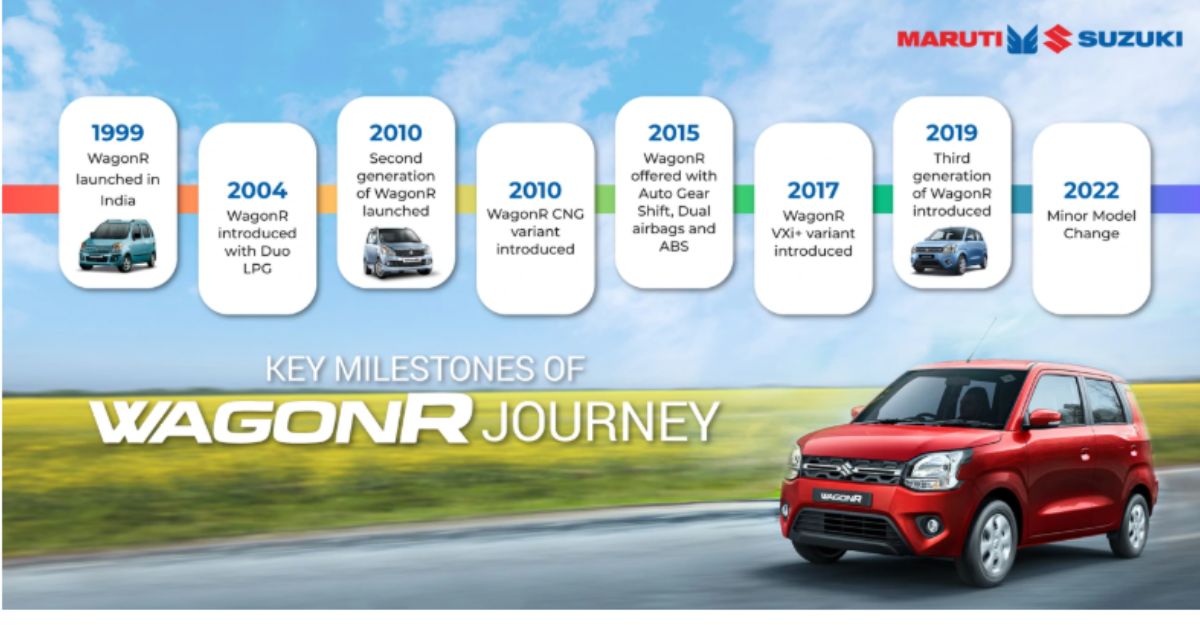
The Maruti Suzuki Wagon R 2026 Flex Fuel Car Unveiled represents a significant update to one of India’s most popular hatchbacks. The company recently unveiled the new Wagon R Flex Fuel model, the country’s first flex-fuel passenger vehicle. The development has attracted attention because it promotes higher ethanol-blended fuels and is consistent with India’s push for cleaner and more affordable mobility.
The Maruti Suzuki Wagon R 2026 Fuel Facility Car, flex-fuel technology, its anticipated advantages for Indian consumers, and the implications of this launch for the automotive industry’s future are all explained in this article.
What Is the Maruti Suzuki Wagon R 2026 Flex Fuel Car Unveiled Facility Car?
The latest Wagon R Flex Fuel is a specially engineered version of the popular Wagon R hatchback. Unlike regular petrol cars, this vehicle can run on a wider range of ethanol-petrol blends, including higher ethanol concentrations. Maruti Suzuki introduced the model as part of India’s transition toward alternative fuels and reduced dependence on imported crude oil.
The vehicle is designed to support flex-fuel technology, allowing the engine to adapt automatically to different fuel blends.
What Is Flex-Fuel Technology?
Flex-fuel vehicles are capable of operating on petrol mixed with varying levels of ethanol. Depending on the vehicle specification, they can use fuels ranging from E20 (20% ethanol) to much higher blends such as E85.
Ethanol is produced from agricultural sources such as sugarcane and biomass. The Indian government has been promoting ethanol blending as part of its strategy to reduce fuel imports, support farmers, and lower vehicle emissions.
Why Is Wagon R Flex Fuel Important for India?
The Wagon R is already one of India’s best-selling hatchbacks. Introducing flex-fuel technology in such a mass-market vehicle could help accelerate the adoption of alternative fuels across the country.
The move is important for several reasons:
- Reduced dependence on imported crude oil.
- Increased use of domestically produced ethanol.
- Potential reduction in vehicle emissions.
- Support for India’s renewable energy and agriculture sectors.
Government officials have also announced plans to expand ethanol fuel infrastructure significantly in the coming years. Around 500 ethanol dispensing stations are expected by the end of 2026, with a much larger network planned afterward.
Expected Fuel Efficiency and Performance
While detailed mileage figures for the flex-fuel version have not yet been officially announced, the standard Wagon R is already known for its fuel efficiency.
Current Wagon R petrol variants offer mileage ranging from around 23.5 km/l to 25 km/l, while CNG variants deliver over 33 km/kg under certified conditions.
The flex-fuel model is expected to maintain practical performance while giving drivers the flexibility to use ethanol-rich fuel blends when available. However, experts note that higher ethanol blends can sometimes result in slightly lower fuel economy compared to pure petrol.
Key Features Expected in Wagon R 2026
The Wagon R Flex Fuel retains the familiar tall-boy design that has made the hatchback popular among Indian families.
Expected highlights include:
- Flexible fuel compatibility.
- Spacious cabin and practical design.
- Modern safety features.
- Fuel-efficient engine technology.
- Lower environmental impact compared to conventional petrol-only models.
The regular Wagon R currently offers 1.0-litre and 1.2-litre petrol engines along with CNG options, making it one of the most versatile hatchbacks in its segment.
Challenges Before Large-Scale Adoption
Despite the excitement around flex-fuel technology, some challenges remain.
The biggest concern is fuel availability. Ethanol fuel infrastructure is still developing, and higher ethanol blends are not yet widely available across India. Industry observers believe that the success of flex-fuel vehicles will depend heavily on the expansion of fueling stations.
Consumers will also be waiting for official pricing and launch details before making purchase decisions.
Why Indian Consumers Are Paying Attention
Maruti Suzuki has showcased the Wagon R Flex Fuel as a significant step toward sustainable mobility. However, the company has not yet confirmed a full commercial launch timeline for the vehicle.
As the government continues expanding ethanol infrastructure and promoting alternative fuels, more automakers may introduce flex-fuel vehicles in the coming years. The Wagon R could become the model that helps bring this technology into the mainstream Indian market.
How the Wagon R Flex Fuel Could Benefit Indian Drivers
Indian buyers have traditionally focused on fuel efficiency and low running costs. Rising fuel prices have also increased interest in alternative fuel options such as CNG and ethanol-based solutions. Recent industry data shows strong growth in demand for fuel-efficient alternatives.
Read More : Hyundai Verna or Honda City 2026?
If ethanol infrastructure expands as planned, flex-fuel vehicles could provide another economical option for daily commuters and family car owners.
(FAQs)(Maruti Suzuki Wagon R 2026 Flex Fuel Car Unveiled)
Is the Maruti Suzuki Wagon R 2026 a new generation model?
The recent announcement focuses on the Wagon R Flex Fuel version rather than a completely new-generation Wagon R. The major change is its ability to run on higher ethanol fuel blends.
What fuel can the Wagon R Flex Fuel use?
The vehicle is designed to operate with multiple ethanol-petrol blends, including higher ethanol concentrations compared to standard petrol vehicles.
Has Maruti Suzuki announced the launch date?
As of now, Maruti Suzuki has showcased the vehicle, but an official market launch timeline has not been confirmed.
Will flex-fuel cars reduce fuel costs?
Potentially yes. Ethanol is domestically produced and can be cheaper than petrol in some situations. Actual savings will depend on fuel pricing and availability.
Why is the Indian government promoting ethanol fuel?
The goal is to reduce crude oil imports, support farmers, increase energy security, and lower emissions from transportation.