
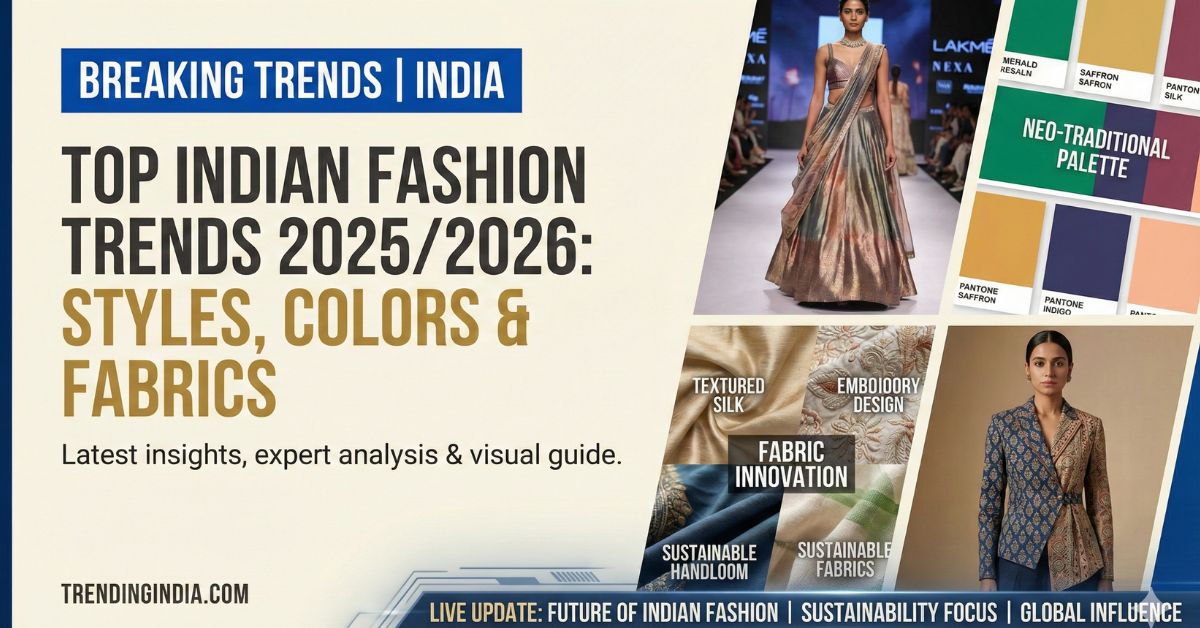
The Indian fashion scene is going through a beautiful and practical change. If you have been wondering what people will be wearing in the coming months, you are in the right place. The transition from 2025 into 2026 brings a fresh mix of rich traditions, extreme comfort, and modern global styles. From festive weddings to everyday office wear, Indian closets are getting a major upgrade. This guide will help you understand what happened to old trends, the new styles taking over, and how these changes will impact the way you dress every day.
The Big Picture: How Indian Fashion is Changing
For a long time, Indian fashion was strictly divided into heavy traditional wear for festivals and standard Western wear for daily life. However, recent years have shown a massive shift toward comfort. Fast fashion and uncomfortable heavy garments are slowly stepping back. In 2025 and moving into 2026, people want clothes that do more than just look good. They want outfits that feel breathable, last longer, and can be worn in multiple ways. Designers and everyday buyers are now focusing on sustainability, body inclusivity, and clothes that easily transition from a morning meeting to an evening party.
Key Styles Dominating 2025 and 2026
The Era of Refined Indo-Western Fusion
Fusion wear is no longer just a passing trend; it is the new standard. But the fusion we see in 2025 and 2026 is much more refined. Instead of random mixing, people are carefully blending elements. You will see flowing pre-draped sarees worn with structured crop tops, blazers, or even denim jackets. Ethnic co-ord sets are replacing traditional heavy salwar suits because they are easier to wear and carry. Kurtas are now casually paired with comfortable sneakers and wide-leg trousers, creating a look that is deeply Indian yet completely prepared for a fast-paced global lifestyle.
Sustainable and Eco-Friendly Fabrics
As the climate changes and awareness grows, Indian consumers are demanding better fabrics. Sustainable fashion is a major highlight for this period. People are actively choosing organic cotton, breathable linen, bamboo blends, and traditional handlooms like Khadi over cheap synthetic materials. These fabrics are not just good for the environment; they are highly practical for India’s diverse and often hot weather. Local weavers and artisans are seeing a revival as their traditional crafts are used in modern, everyday clothing designs.
Relaxed Silhouettes and Maximum Comfort
Tight, restrictive clothing is officially taking a back seat. The coming year celebrates relaxed fits and flowy silhouettes. Oversized shirts, baggy trousers, and loose dhoti-style bottoms are taking over the streets. Even in bridal and festive wear, comfort is becoming a main priority. Heavy, unmanageable lehengas are being replaced by lightweight fabrics, jacket-style lehengas, and elegant cape sets. This allows people to actually enjoy their events without feeling weighed down by their outfits.
Colors of the Season
The color palette for 2025 and 2026 is a beautiful balance of calm and celebration. Earthy tones like olive green, mustard yellow, and terracotta are becoming everyday favorites because they connect well with the eco-friendly mood. Soft pastels like mint green, powder blue, and blush pink remain strong choices for daytime events and casual outings. However, when it comes to Indian weddings and evening parties, rich shades like deep teal, warm wine, plum, and metallic gold are making a grand statement.
Why This Matters and the Impact in India
This shift in fashion is important because it changes how the Indian retail market operates. With the younger generation leading the conversation, fashion is becoming a tool for self-expression rather than just following rigid cultural rules. The demand for size-inclusive clothing is forcing major brands to expand their size charts, making stylish fashion accessible to all body types. Furthermore, the rise of digital fashion and social media means trends spread instantly from metro cities to smaller towns, creating a unified yet highly diverse fashion culture across the country.
What Happens Next in the Fashion World?
Looking ahead to late 2026, we can expect technology and tradition to blend even further. Smart fabrics, digital fitting rooms, and AI-driven personal styling will become more common in Indian retail shopping. At the same time, the appreciation for ancient Indian crafts, like block printing, Chikankari, and intricate mirror work, will continue to grow on the global stage. Indian fashion is not just following global trends anymore; it is confidently setting them.
Frequently Asked Questions (FAQs)
What are the main fashion trends for 2025 and 2026 in India?
The biggest trends include refined Indo-Western fusion, relaxed and oversized fits, pre-draped sarees, ethnic co-ord sets, and a strong focus on sustainable fabrics like organic cotton and linen.
Which colors are best to wear in 2025 and 2026?
For everyday wear, earthy tones like olive and terracotta, as well as soft pastels, are very popular. For festive occasions, deep jewel tones like teal, wine, and bold metallics are the top choices.
Is traditional Indian clothing still popular?
Yes, traditional clothing is still highly popular, but it has evolved. People now prefer lightweight traditional wear with modern twists, such as jacket-style lehengas or simple kurtas worn with wide-leg pants.
Why are sustainable fabrics becoming a trend?
Consumers are more aware of the environmental impact of fast fashion. Plus, natural fabrics like cotton, handlooms, and bamboo are much more breathable and comfortable for the hot Indian climate.
Are tight-fitting clothes out of style?
Currently, the trend heavily favors relaxed, flowy, and oversized clothing. Comfort and body positivity are driving people away from very tight, restrictive garments.
